
Evaluation of Bivalve Mollusks Program by COEPRIS and U.S. Authorities
Ensuring Seafood Safety
The State Commission for the Protection against Sanitary Risks (COEPRIS), in collaboration with the Federal Commission for the Protection against Sanitary Risks (COFEPRIS) and the U.S. Food and Drug Administration (FDA), is conducting an evaluation of the Mexican Bivalve Mollusks Sanitation Program (PMSMB). This initiative aims to guarantee the safety of seafood products harvested from Mexican coasts.
As part of this review, certified areas for the extraction, processing, and marketing of these products are being visited. Some of these mollusks are exported to the United States and countries in Asia, such as Japan. The goal is to verify compliance with established procedures to ensure that the mollusks are free from substances that pose a health risk, explained COEPRIS head, José Manuel Junco Navarro.
"This coordinated effort between federal and state authorities helps reduce health risks for consumers and maintain marketing channels in international markets, benefiting producers in Baja California Sur,"
Junco Navarro emphasized.
Field Evaluations and Compliance Checks
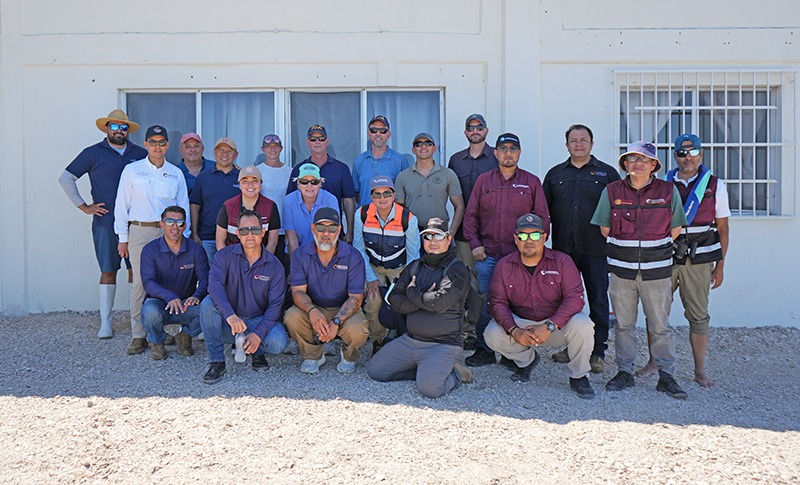
In conjunction with federal authorities and representatives from the FDA, including personnel from the National Commission of Aquaculture and Fisheries (CONAPESCA), areas in Mulegé were inspected to review the extraction, handling, and conservation actions of mollusks. The procedures for taking seawater and product samples conducted by COEPRIS were also monitored, with these samples undergoing sanitary analysis.
Baja California Sur ranks second nationally for the number of certified water bodies for the cultivation and extraction of bivalve mollusks, totaling 12. To maintain this status, COEPRIS conducted over 900 seawater and product analyses in 2025, ensuring the quality of these sites and the mollusks produced there.
"We are committed to ensuring that our seafood products meet the highest safety standards, which is crucial for both local consumers and international markets,"
said Junco Navarro.
Importance of International Standards
The evaluation of the PMSMB is not only vital for local health but also plays a significant role in international trade. By adhering to rigorous safety standards, Baja California Sur can continue to export its seafood products, which are highly valued in global markets. This collaboration between Mexican and U.S. authorities exemplifies the importance of maintaining high-quality standards in food safety.
The ongoing assessments and compliance checks are essential for fostering consumer confidence in seafood products, particularly as the demand for safe and sustainable seafood continues to rise. The partnership between COEPRIS, COFEPRIS, and the FDA is a testament to the commitment to public health and safety in the region.
"Our goal is to ensure that consumers can enjoy our seafood without concerns about safety, which is why these evaluations are so critical,"
Junco Navarro concluded.


Comments