

Free Cancer Detection Tests Offered by Health Secretary
Expanding Access to Health Services
The Secretary of Health in Baja California Sur has announced a significant initiative aimed at improving women's health by providing free and universal cancer detection tests. This program is designed to reach all women, regardless of their social security coverage, including those under IMSS, ISSSTE, or IMSS Bienestar. Ana Luisa Guluarte Castro, the Secretary of Health, emphasized the importance of early detection in combating cancer, stating that these services are crucial for timely intervention.
"The implementation of these mobile units by the State Government allows us to broaden access to preventive services."
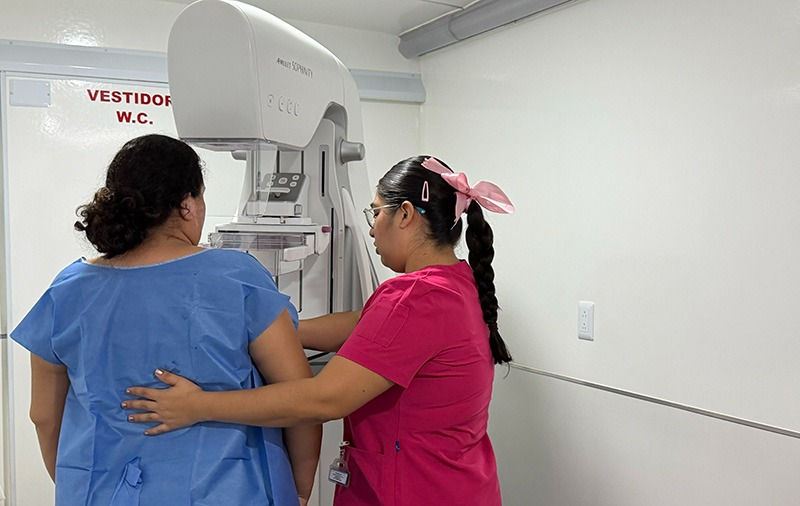
The initiative includes cervical cytology tests for women aged 25 and older, as well as mammograms for those between 40 and 69 years old. These tests are essential for identifying cellular and tissue abnormalities, which can lead to early treatment and better health outcomes.
Mobile Units on the Move
To ensure accessibility, the mobile units are actively traveling through various neighborhoods and communities. This week, they have already provided services in Solidaridad, La Pasión, and Agua Escondida in La Paz. The schedule includes stops at El Carrizal ejido on Thursday and the State Bureaucrats' Union Committee on Friday.
"We invite women within the established age ranges to attend these events and take advantage of the free detection services being offered."
This proactive approach not only brings vital health services closer to the population but also raises awareness about the importance of regular health screenings among women in the region. The Secretary's commitment to expanding these services reflects a broader strategy to enhance public health in Baja California Sur.
Collaboration for Better Health Outcomes
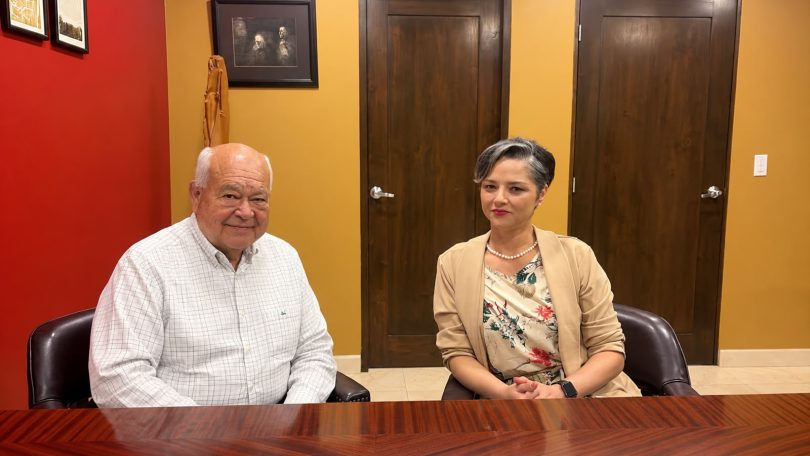
During a recent ordinary session of the State Cancer Committee, Guluarte Castro highlighted the collaborative efforts between various health institutions, including IMSS, ISSSTE, and IMSS Bienestar. The meeting also featured Teresa Ramos Arreola, the director of the National Center for Gender Equity and Reproductive Health, who participated virtually.
As part of the agreements reached during the session, these institutions will disseminate the schedule of mobile unit visits and mammography services to their staff and users. This step aims to facilitate access to these essential health screenings across different communities.
"We are working together to ensure that women have the information they need to access these critical health services."
The initiative represents a significant step forward in addressing women's health issues in Baja California Sur, particularly in the context of rising cancer rates. By providing free access to these tests, the government is taking a proactive stance in promoting early detection and improving health outcomes for women across the state.

Comments