

Aquarium of the World: The Sea of Cortez Hosts 80% of Mexico's Marine Mammals

The Sea of Cortez, famously dubbed by Jacques Cousteau as the "Aquarium of the World," continues to solidify its status as one of the most vibrant and critical ecosystems on the planet. Recent reports highlight that this body of water, which embraces the coasts of Baja California Sur, is home to approximately 80% of the marine mammal species inhabiting Mexico. This staggering figure not only underscores the region's biological wealth but also positions the state as a globally significant sanctuary for marine conservation in 2026.
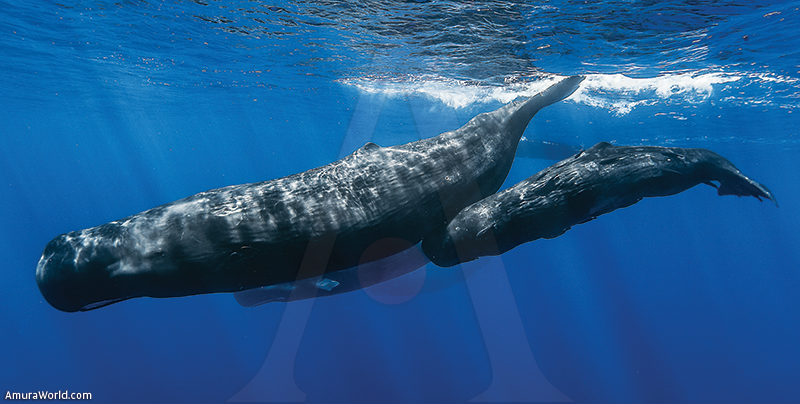
The diversity found within the Gulf of California ranges from majestic blue and humpback whales, which choose these temperate waters for their reproductive processes, to colonies of sea lions and various dolphin species. The presence of such a high concentration of marine life is due to the area's unique oceanographic conditions, where the mixing of currents and an abundance of nutrients create a robust food chain. However, this concentration also means that any negative impact in the area affects the vast majority of the country's marine megafauna.
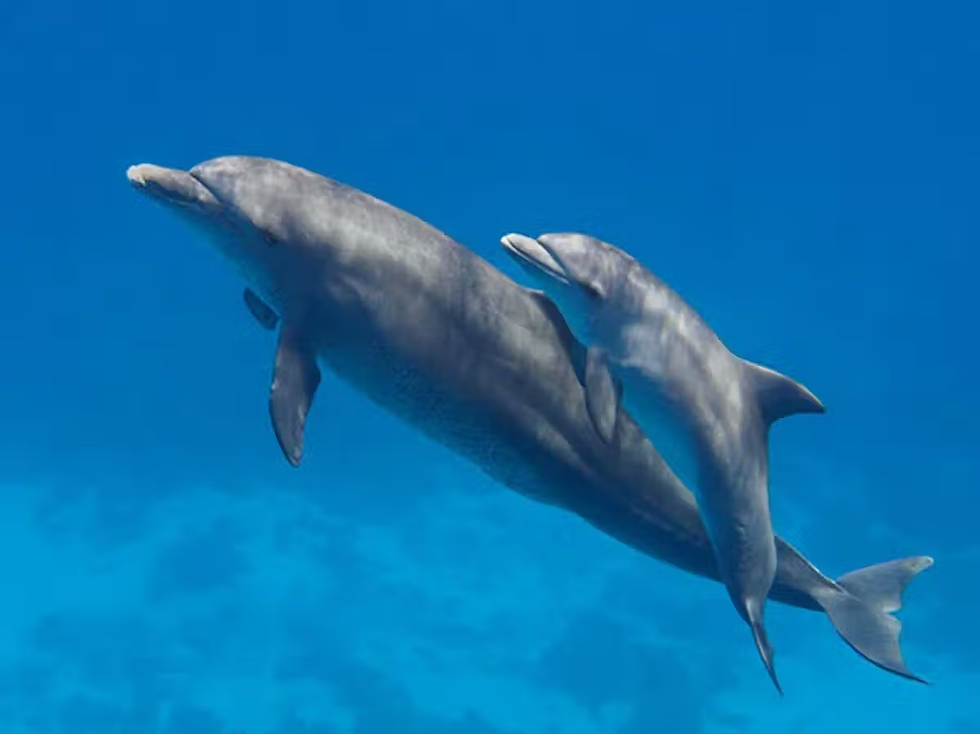
Experts point out that the Sea of Cortez is a living natural laboratory where studying these species allows for a better understanding of the effects of climate change and ocean health. For Baja California Sur, this natural heritage is the primary driver of nature tourism, an industry that directly depends on the preservation of these species. Responsible whale watching and swimming with sea lions are experiences that attract visitors from around the world, generating an economic impact that sustains thousands of local families.
Nevertheless, this status as a biodiversity "hotspot" carries a shared responsibility. Bycatch, plastic pollution, and uncontrolled maritime traffic remain latent challenges. The fact that eight out of ten Mexican marine mammals depend on this sea emphasizes the need for stricter public policies and constant surveillance. Protecting this ecosystem is not just a matter of environmental ethics but a strategic move for the economic and social survival of the entire peninsula.


Comments