

Alert in Mulegé: Off-Road Vehicle Impact Puts 3 Key Coastal Species at Risk

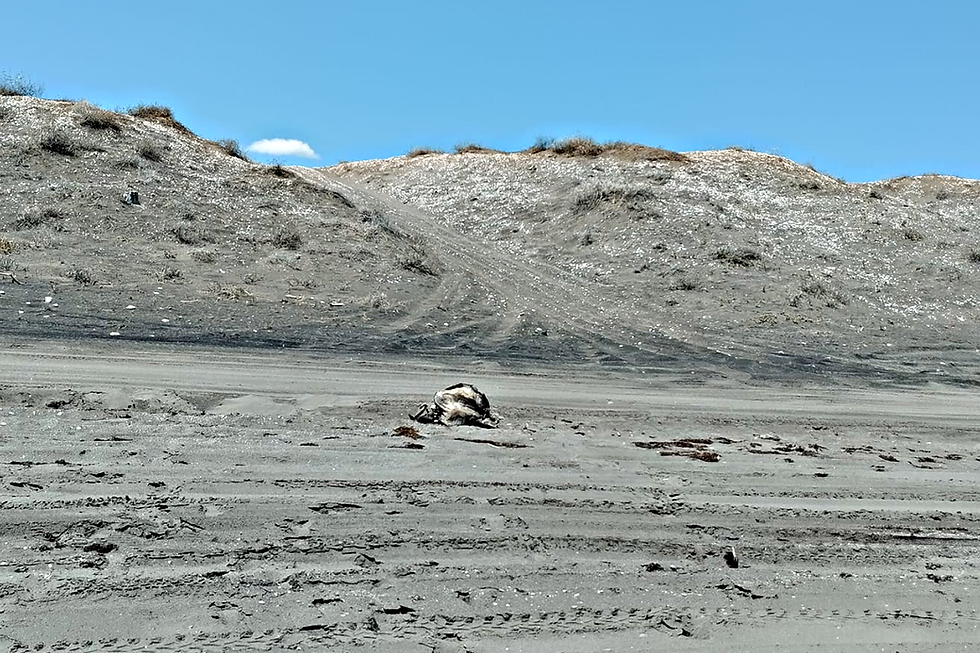
The indiscriminate use of off-road vehicles (ATVs and UTVs) in the coastal areas of Mulegé, Baja California Sur, has raised alarms among environmentalists and local authorities. What represents an adrenaline-filled recreational activity for many, translates into a direct threat to marine biodiversity for the ecosystem. The transit of these vehicles through dune and beach areas not only alters the landscape but also destroys critical habitats and compacts the soil, hindering the natural life cycles of species that depend exclusively on the tranquility of these sandy areas for their survival.
One of the most affected species is sea turtles, which use the beaches of Mulegé as nesting sites. Off-road vehicles can crush nests hidden beneath the sand or compact the surface so much that the hatchlings, once they emerge, are unable to reach the surface. Furthermore, the deep ruts left by tires become insurmountable barriers for the small chelonians on their journey to the sea, exposing them to predators and dehydration. The presence of nighttime lights and noise also disorients females looking for a safe place to deposit their eggs.
Secondly, shorebirds, such as the least tern and the snowy plover, face a critical risk. These birds typically nest directly on the sand in dune areas, where their eggs and chicks go virtually unnoticed due to their natural camouflage. The high-speed passage of vehicles destroys entire colonies in a matter of seconds. Constant disturbance also forces adult birds to abandon their nests, leaving eggs exposed to the extreme sun and predators. The loss of these nesting sites represents a severe blow to the populations of migratory birds that depend on Mulegé as a rest and breeding point.
Finally, coastal microfauna and flora, including crustaceans like the ghost crab and dune vegetation, suffer irreparable damage. Dunes are not just mounds of sand but living systems that protect the coast from erosion. The roots of coastal plants hold the sand together; when vehicles destroy them, the dune begins to crumble, altering the entire coastline. The elimination of small invertebrates living in the sand breaks the food chain upon which many other marine and terrestrial species depend.
Given this situation, civil organizations and environmental authorities are making an urgent call for regulation and respect for marked zones. It is fundamental that visitors understand that beaches are not racetracks but fragile ecosystems. The implementation of surveillance programs and the delimitation of prohibited zones for motorized vehicles are necessary steps to ensure that the natural beauty of Mulegé does not disappear under the weight of tires. The conservation of Baja California Sur depends on our ability to enjoy its nature without destroying it.


Comments