

Oasis Rescue: Los Cabos City Hall Intensifies Cleanup and Conservation Brigades in the Estero Josefino

The San José del Cabo Estuary, the region's most important wetland, is under a priority protection scheme this 2026. The Los Cabos City Hall, through the General Directorate of Ecology and Environment, has intensified conservation days focused on the removal of invasive species and solid waste management. These actions seek to preserve the balance of this critical ecosystem, which serves as a refuge for hundreds of migratory bird species and is vital for recharging local aquifers. Facing urban pressure and climate challenges, the municipal administration has reaffirmed its commitment to maintaining this "natural lung" as a resilient and healthy space for both biodiversity and the community.
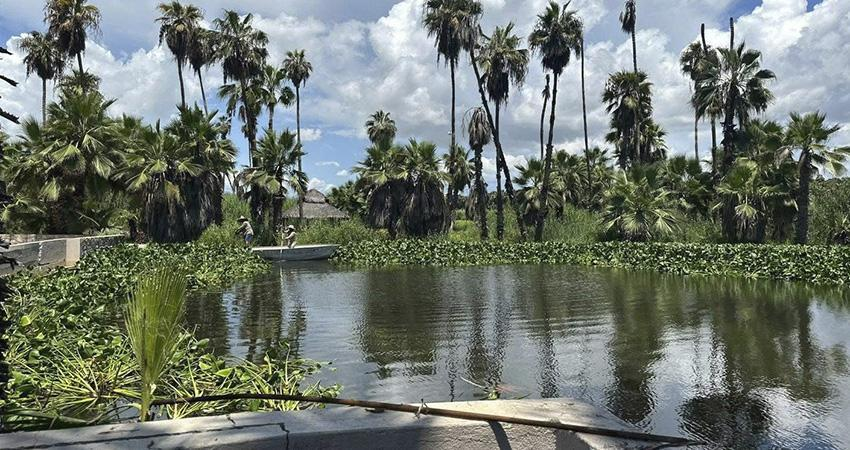
From an ecological restoration and environmental management perspective, current efforts center on controlling water hyacinth and fan palms, species that, if left unchecked, can alter water flow and displace native flora. In 2026, the City Hall implemented a constant monitoring system to prevent wildfires within the reserve and avoid pollutant discharges. Collaboration with civil society organizations and scientists has been fundamental in designing long-term strategies that allow for orderly public use. The conservation of the Estero Josefino is not only a legal responsibility but a strategic investment to guarantee the environmental viability of San José del Cabo amidst tourism and population growth.

In conclusion, a call is made to citizens and visitors to respect the internal regulations of the State Ecological Reserve, avoiding littering or introducing domestic species that could harm local wildlife. The success of these conservation efforts depends on shared vigilance. For the remainder of 2026, plans include installing new informative signage and strengthening ecological patrols, consolidating the Estero Josefino as a model of coexistence between nature and the urban environment in Baja California Sur.


Comments