

Growth at the Limit: Urban Expansion in Los Cabos Strains Environmental and Social Models
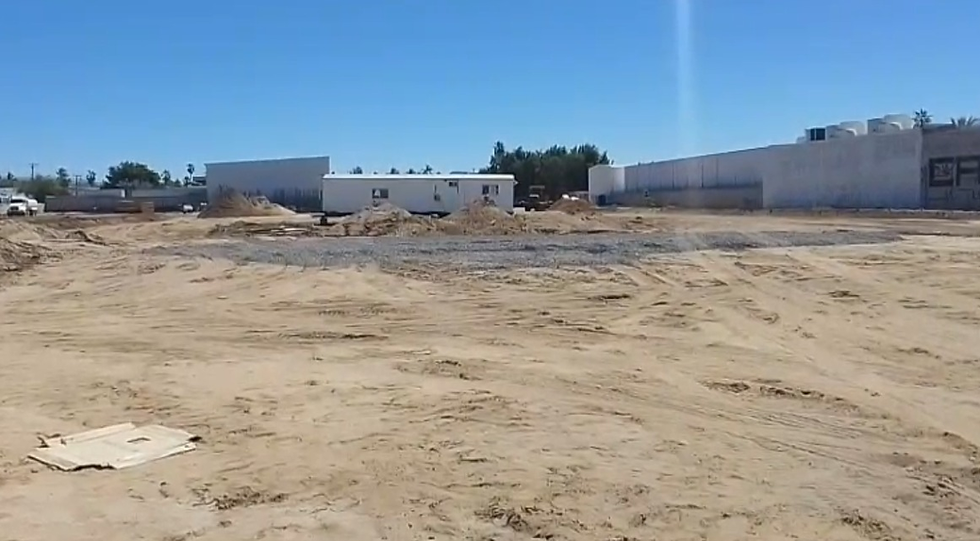
Baja California Sur faces one of its most complex challenges in 2026: the unbridled growth of Los Cabos. What has been the state's economic engine for decades is now showing signs of structural exhaustion. The current model of urban expansion is exerting unsustainable pressure on natural resources, especially water, and is deepening social gaps between luxury tourist areas and the neighborhoods where the workforce resides, which often lack efficient basic services.
The environmental issue is critical. Paving over aquifer recharge zones and invading stream beds not only destroys local biodiversity but also exponentially increases the risk of disasters during hurricane season. Additionally, solid waste management has become a race against time, with municipal infrastructure struggling not to be overwhelmed by the tons of trash generated by a population growing at rates well above the national average.
On the social level, real estate pressure has skyrocketed the cost of living, making access to decent housing difficult for service sector workers. This phenomenon of "accelerated gentrification" is pushing settlements toward high-risk zones and protected natural areas. Experts and citizen collectives warn that if urban planning with a vision of sustainability and social justice is not implemented, Los Cabos risks losing the natural appeal that made it famous, affecting the destination's long-term viability.
The solution proposed for 2026 is not to stop growth, but to organize it. Firm political will is required to update urban development plans, integrate sustainable desalination technologies, and ensure that hotel investment goes hand in hand with investment in social infrastructure. The challenge is clear: Los Cabos must evolve from being a successful tourist destination to being a community with human success and ecological balance.


Comments